How to Remove Plaque and Tartar from Teeth?

Many individuals are looking up queries such as how to remove hard plaque from their teeth so they can try to resolve them without seeking medical help. You must have heard about some quick home remedies like baking soda, vinegar, online scaling kits, etc. This information is mostly wrong, and some of these items can even be dangerous.
Here's the honest version. Soft plaque can be cleared at home with the right routine. Hard plaque (the stuff most people search for as "tartar") cannot. And if you try, you'll likely cause damage that costs you more in the long run.
This guide explains the difference, what actually works, and when it's time to stop trying and call a dentist. So stop trying to figure out how to take off plaque on your own and get in touch with a dentist.
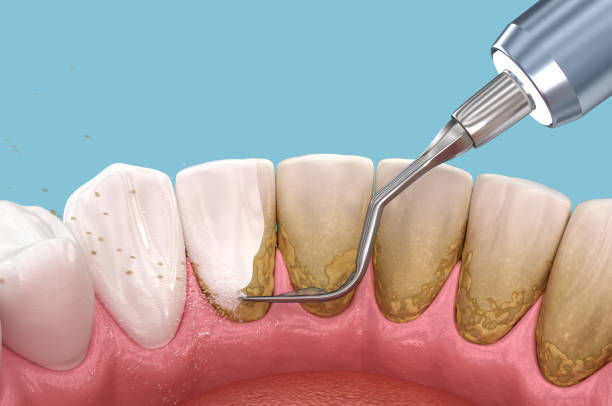
Differences Between Plaque and Tartar
Many patients and general people think that they are both the same. But this is not true, and it's important to know in what areas they vary before focusing on removing plaque from teeth.
Plaque is soft and removable
Plaque is a sticky bacterial film that accumulates over your teeth between brushes. It's usually of a whitish colour, and it begins to develop within hours after brushing your mouth. A good toothbrush and floss will deal with it.
Tartar is plaque that's gone hard
If a regular plaque remains on your teeth for a prolonged period, the minerals inside your saliva are converted into a hard yellow or brown deposit. Dentists call this calculus. Most patients call it tartar. People searching online often call it "hard plaque."
Regardless of what you choose to name it, once the region becomes hard (usually within 24 to 72 hours), no toothbrush in the world will shift it. This is why many patients are unable to figure out how to get rid of hard plaque.
Where does it tend to build up?
Tartar usually grows right around the lower front teeth, behind your upper molars, and along the gumline. Since these areas are located near your salivary glands, mineralisation happens much quicker over here.
Why Tartar Is Worth Taking Seriously?
Tartar isn't a cosmetic problem. It's a healthy one. The rougher surface supports bacterial growth, which causes:
Bleeding gums and early gum disease
Cavities and tooth decay
Receding gums and exposed tooth roots
Bone loss and loose teeth in advanced cases
You can also find a lot more research linking gum inflammation to heart issues and diabetes. So it affects much more than just your appearance. If you see signs of any such problems, be sure to contact Bradbury Dental Surgery and do not take it lightly. They can even help you with hard plaque removal.
Removing Soft Plaque From Teeth at Home: Methods That Actually Work
You can stay on top of soft plaque if you do these things every single day.
Brush properly, twice daily. Use light bristles and perform soft circular motions along the gumline. Many patients claim that electric toothbrushes are more effective than regular ones. The Cochrane reviews back this up.
Floss or use interdental brushes once a day. Skipping the spaces between teeth is where plaque turns into tartar quickest. If you do not like flossing, using a water flosser is better than not doing anything.
Pay attention to Diet. Repeated sugar exposure does more harm than a single treat. Make sure you drink some water after eating and go for crunchy foods like apples and carrots. They help cleanse your teeth as you eat them. We've covered this properly in our post on diet and dental health.
Clean your tongue. A tongue scraper brings down bacterial growth, which gives you better breath and reduces plaque, too.
Mouthwash alone won’t solve the issue. Antiseptic rinses can lower bacterial growth. They will not dissolve tartar. Nothing you rinse with will.
Hard Plaque Removal: The Honest Answer
Here's the honest part. There's no safe way to do hard plaque removal at home. Once tartar mineralises and bonds to the enamel, you will need proper medical instruments to be removed without harming the tooth underneath.
Why DIY methods fail or hurt you?
Baking soda paste: Mildly abrasive. Won't move tartar. Long-term overuse wears enamel down.
Vinegar or lemon juice: Acidic enough to dissolve enamel permanently. Please don't do this.
Charcoal toothpaste: A marketing trend. The ADA has flagged abrasion concerns. No real evidence that it removes tartar.
Hydrogen peroxide rinses: Mild antibacterial benefit. Not a tartar treatment.
Online scaling kits and metal picks: Probably the worst option. We see patients every month who've cut their gums, scratched enamel, or pushed tartar deeper below the gumline, where it actually speeds up gum disease.
The principle is simple. If a tool is hard enough to remove tartar, it's hard enough to damage your teeth. There's no safe middle ground.
We made the same point in our post on DIY teeth gap treatments. The pattern repeats. TikTok hacks rarely end well in dentistry, so always go to a qualified expert to learn how to remove plaque.
What Happens at a Professional Scale and Clean?
A scale and clean usually takes 30 to 45 minutes. We use ultrasonic instruments that vibrate tartar off without scratching the enamel, followed by hand instruments for the fine detail along the gumline. Polishing comes next, and we typically finish with a fluoride treatment.
Most people just feel mild pressure and vibration. If your gums are inflamed, there might be brief sensitivity, which we can manage with a local anaesthetic. For patients who feel real anxiety about cleanings, we also offer IV sedation.
How often you need one depends on your risk profile. Six months works for most adults. Smokers, people with diabetes, and patients with a history of gum disease should come in every three to four months.
How to Keep Tartar From Coming Back?
Follow this daily routine that takes around 90 seconds, total.
Brush twice for two minutes
Flossing or interdental cleaning once
Rinse with water after sugary or acidic foods
Stay hydrated (dry mouth speeds tartar formation)
Quick tongue cleaning
Add a six-monthly professional clean, and you're in good shape. If you're eligible, the Child Dental Benefits Schedule, DVA, and OHFFSS schemes can cover preventive care, so cost shouldn't be a barrier.
Quick Answers to Common Questions
Can mouthwash dissolve tartar?
No rinse can. Mouthwash helps with bacteria and breath, not with hardened deposits.
Will an electric toothbrush remove tartar?
It removes plaque better than a manual brush. It won't remove tartar that's already formed.
How fast does plaque turn into tartar?
Mineralisation starts within 24 to 72 hours. That's why daily flossing matters so much.
Will tartar disappear on its own?
No. It has to be physically removed by a dentist or hygienist.
A Final Word
If you can see yellow or brown buildup near your gumline, or your gums bleed when you brush, it's time to come in. The longer tartar sits, the more damage it does to the tissue underneath.
You can book a Scale and Clean at Bradbury Dental Surgery online, or call us on (02) 4628 2151. We've been looking after Campbelltown families for over thirty years, and we'd much rather see you for a clean than a filling.


